- Base the decision on who your customers are and the language they already use with you.
- A bilingual site needs separate pages per language, a clear switch and proper Tamil typography.
- Machine translation alone produces Tamil that undermines trust. A fluent writer is essential.
Many businesses in Tamil Nadu conduct most customer conversations in Tamil, yet publish their website entirely in English. In some cases this is the right decision. In many others, it creates distance from the very customers the business serves most closely, and limits how often the business appears in local searches.
Start with your customers
Review your most recent customers and enquiries and consider:
- Which language did they use when contacting you?
- Did they find you through search, recommendation or walking past?
- Are they primarily local, from elsewhere in India or overseas?
A family dental clinic in Madurai, a jeweller with customers in Singapore and a technology firm serving companies in Bengaluru will each reach a different conclusion.
When English is sufficient
- You primarily serve other businesses or customers across several states.
- Your customers are overseas, including members of the Tamil diaspora who often search in English.
- Your sector operates largely in English, such as technology, finance or export.
If your customers already message you in Tamil, that is a strong indication of the language they would prefer to read.
When Tamil matters
- Your customers are local families, older people or those more comfortable reading Tamil.
- Your services depend on trust and precise understanding, such as healthcare, education, legal or home services.
- Customers already contact you on WhatsApp in Tamil.
How customers actually search
Search behaviour is rarely neat. Many people type Tamil words in English letters, such as “saree kadai Madurai”, combine both languages, or use voice search in Tamil. A website with genuine Tamil content gives search engines more opportunities to match these queries than a site that exists only in English.
Building a bilingual website properly
- Separate pages for each language. Avoid alternating languages within the same page. Dedicated pages are clearer for readers and easier for search engines to interpret.
- A visible language switch on every page, labelled in each language: “English” and “தமிழ்”.
- Language signals for search engines. Your developer should mark each page’s language and link translated versions using hreflang annotations.
- Typography designed for Tamil. Many fashionable English typefaces do not include Tamil characters, so browsers substitute an unrelated font. Choose a typeface family with proper Tamil support.
- Layouts that allow for longer text. Tamil words are frequently longer than their English equivalents, so buttons, menus and headings need room to expand.
The limits of machine translation
Automated translation is useful for a first draft, but it often produces Tamil that is stiff, unnatural or incorrect. Readers notice immediately, and it damages credibility. Every Tamil page should be written, or at minimum reviewed, by a fluent writer who understands your business and your customers.
Where to begin
- The home page.
- Your principal service or product pages.
- Pricing, hours and location.
- The contact page and enquiry form.
Supporting content, such as articles and background pages, can follow once the essential pages are in place.
How Metamorphic India builds multilingual websites
We build websites that speak to customers in the language they are most comfortable with, without compromising design or search performance:
- Language strategy based on your customer base and search behaviour.
- Native Tamil and Kannada copywriting, not machine translation alone.
- Correct technical setup, including separate language pages and hreflang annotations.
- Typography and layouts designed for Indic scripts from the start.
We work with clients in both English and Tamil, so the conversation can happen in whichever language suits you.
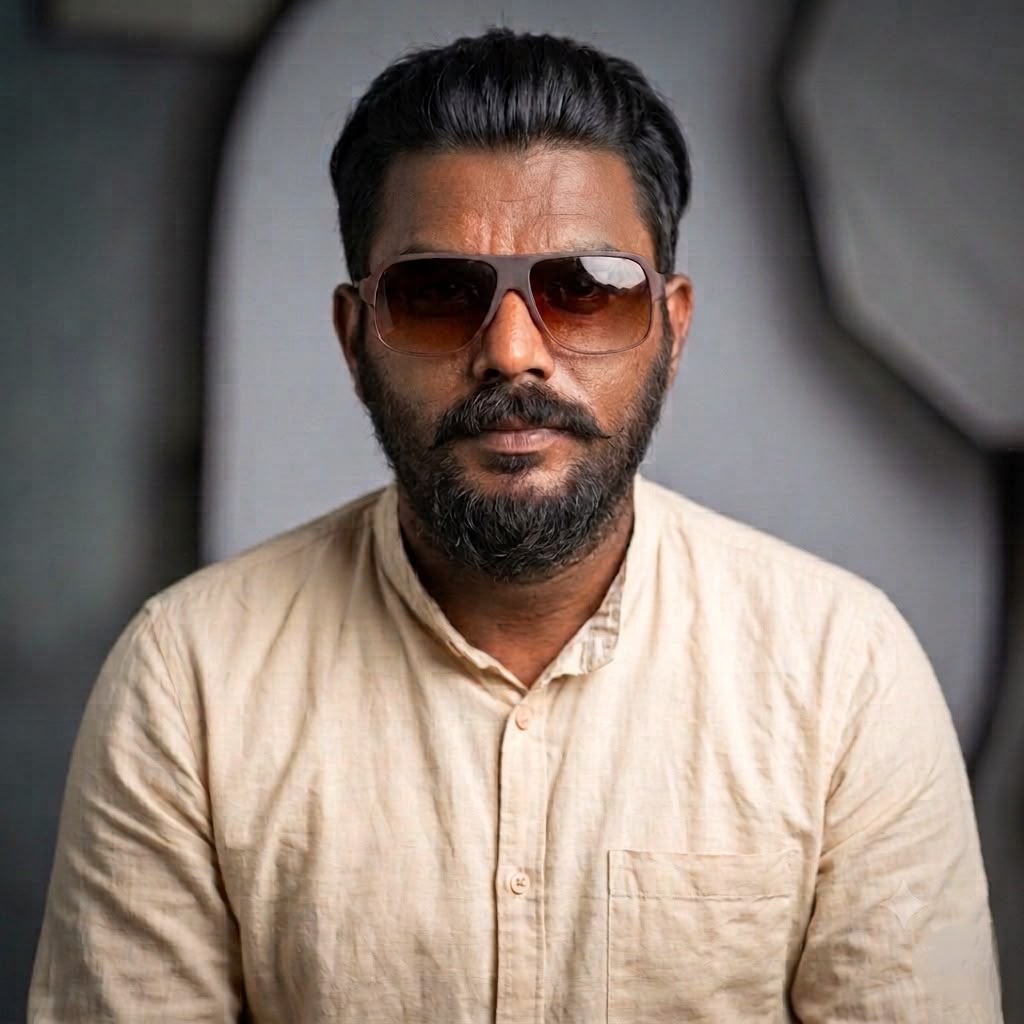
Founder of Metamorphic India, a web design and branding studio serving businesses in Madurai, Chennai and Bengaluru. Shyam brings a photographer’s eye to design and works directly with every client.
More about Shyam →